

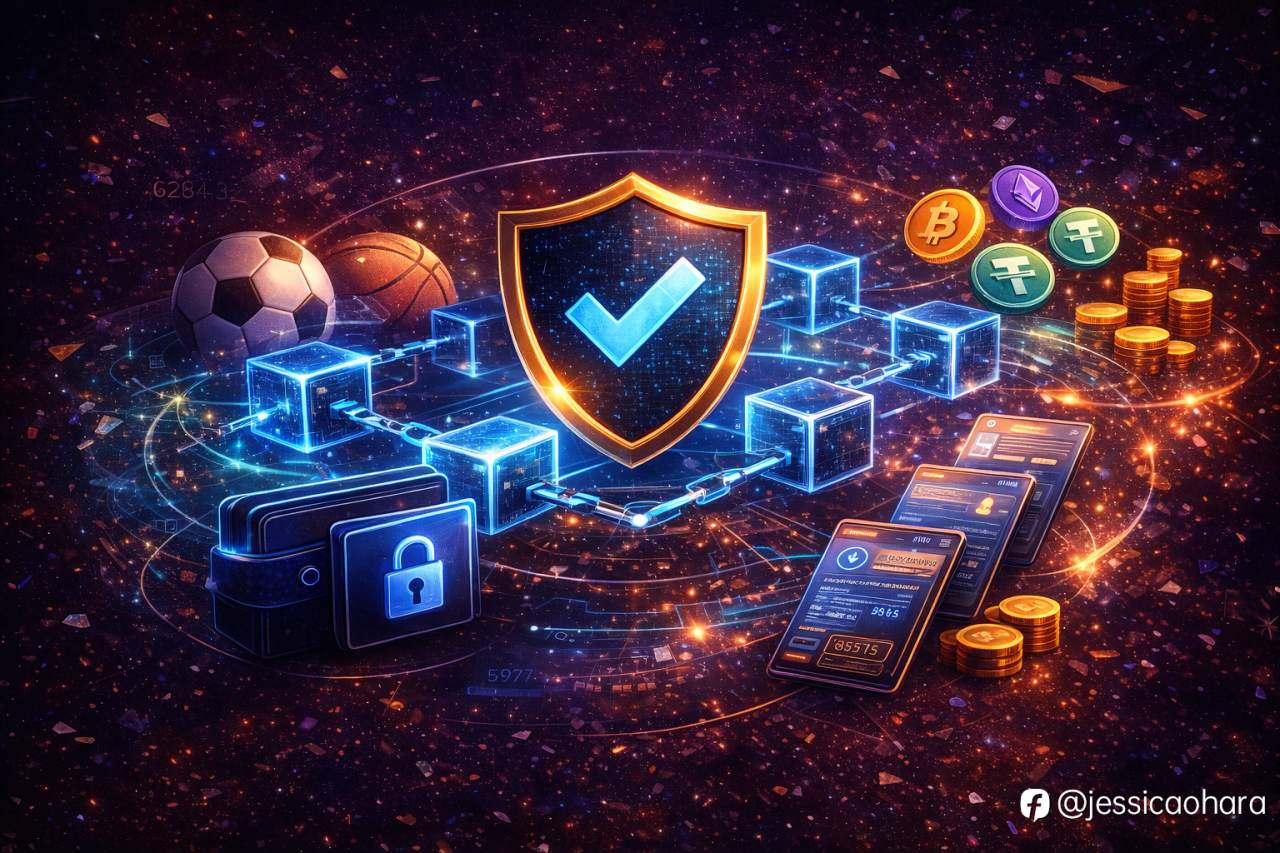
As online sports gaming continues to evolve, concerns around security, fairness, and data privacy remain at the forefront for players worldwide. Traditional systems often rely on centralized databases and third-party intermediaries, which can expose users to risks such as data breaches, delayed payouts, and lack of transparency. Blockchain technology is changing this landscape by introducing decentralized systems that prioritize user protection, trust, and control.
By leveraging cryptographic security and transparent infrastructure, blockchain is setting new standards for how sports gaming operates.
Decentralized Security Reduces Single Points of Failure
One of the most significant advantages of blockchain is decentralization. Unlike traditional gaming systems that store sensitive user data on centralized servers, blockchain distributes information across a network of nodes. This structure makes it extremely difficult for hackers to compromise the system, as there is no single point of failure to target.
For sports gamers, this means improved protection against large-scale data breaches and reduced risks of account manipulation. Many modern online crypto sportsbooks use decentralized frameworks to ensure that user balances, betting records, and transactions remain secure and tamper-resistant.
Transparent Transactions Build Trust
Transparency is another major benefit of blockchain in sports gaming. All transactions recorded on a blockchain are publicly verifiable and immutable, meaning once data is added, it cannot be altered. This ensures that wagers, odds, and payouts follow predefined rules without interference.
Players can independently verify betting outcomes and transaction histories, eliminating doubts about fairness or hidden manipulation. This level of openness fosters trust between users and gaming operators, making blockchain-based sports gaming environments far more reliable than traditional systems.
Enhanced Privacy Through Pseudonymous Payments
Privacy has become a growing concern as online gaming platforms increasingly require personal and financial information. Blockchain offers a solution through pseudonymous transactions. Instead of sharing sensitive banking details, users can place bets and receive payouts through digital wallets linked to cryptographic addresses.
This approach minimizes personal data exposure and significantly lowers the risk of identity theft. Many online crypto sportsbooks allow players to maintain greater anonymity while still complying with essential security measures, striking a balance between privacy and regulatory responsibility.
Smart Contracts Prevent Errors and Disputes
Smart contracts play a crucial role in enhancing security within blockchain-based sports gaming. These self-executing contracts automatically enforce rules once conditions are met. For example, payouts are released instantly when match results are confirmed, without manual intervention.
By removing human involvement from critical processes, smart contracts reduce errors, delays, and disputes. Players benefit from faster settlements and greater confidence that outcomes are handled fairly and consistently.
Improved Fund Control for Users
Blockchain-based systems often allow users to retain full control over their funds through non-custodial wallets. This means players don’t need to rely on centralized entities to manage deposits or withdrawals. Funds remain securely stored in personal wallets until used for betting or withdrawn.
This model significantly lowers the risk of fund mismanagement and enhances overall security. As a result, sports gamers feel more confident knowing their assets are protected by cryptographic safeguards rather than third-party promises.
Ongoing Innovations Strengthen Protection
While blockchain technology already offers robust security and privacy benefits, continuous innovation is making systems even safer. Advances in multi-signature wallets, decentralized identity tools, and improved auditing practices are further strengthening the sports gaming ecosystem.
As adoption grows, blockchain-based sports gaming is expected to set higher standards for user protection across the industry.
Final Thoughts
Blockchain is redefining sports gaming by delivering enhanced security, transparent operations, and improved privacy for users. From decentralized data protection to automated payouts and wallet-based privacy, the technology addresses many long-standing issues faced by traditional systems. As more players turn to online crypto sportsbooks, blockchain’s role in ensuring safer and fairer sports gaming experiences will only continue to expand.
Edited 05 Jan 2026, 21:59
Disclaimer: The views expressed are solely those of the author and do not represent the official position of Followme. Followme does not take responsibility for the accuracy, completeness, or reliability of the information provided and is not liable for any actions taken based on the content, unless explicitly stated in writing.

Leave Your Message Now