


In 2025, account security has become one of the most defining topics in the global brokerage industry. What used to be considered “optional layers of protection” such as two factor authentication, enhanced identity verification, or stricter login monitoring is now rapidly turning into a baseline requirement. But this shift isn’t happening randomly. It’s driven by real incidents, evolving regulations, and new risks emerging from how people trade today.
So why are brokers tightening security this year? And why should Forex, Fintech, and Copy Trading users care?
A New Reality: More Users, More Data, More Threats
Over the past few years, the number of retail traders has grown sharply. With more accounts, more deposits, and more digital engagement comes one inevitable side effect: a higher target value for cybercriminals.
In 2024 alone, multiple regions reported:
- A surge in phishing attacks targeting trader logins
- Fake trading apps spoofing regulated brokers
- Unauthorized access attempts on dormant accounts
- Fraudulent Copy Trade connections exploiting weak authentication
For brokers, this wasn’t just an IT issue it became a trust issue. In 2025, the industry realized that strong security is no longer just “protecting accounts”; it’s protecting reputation, user confidence, platform liquidity, and even regulatory status.
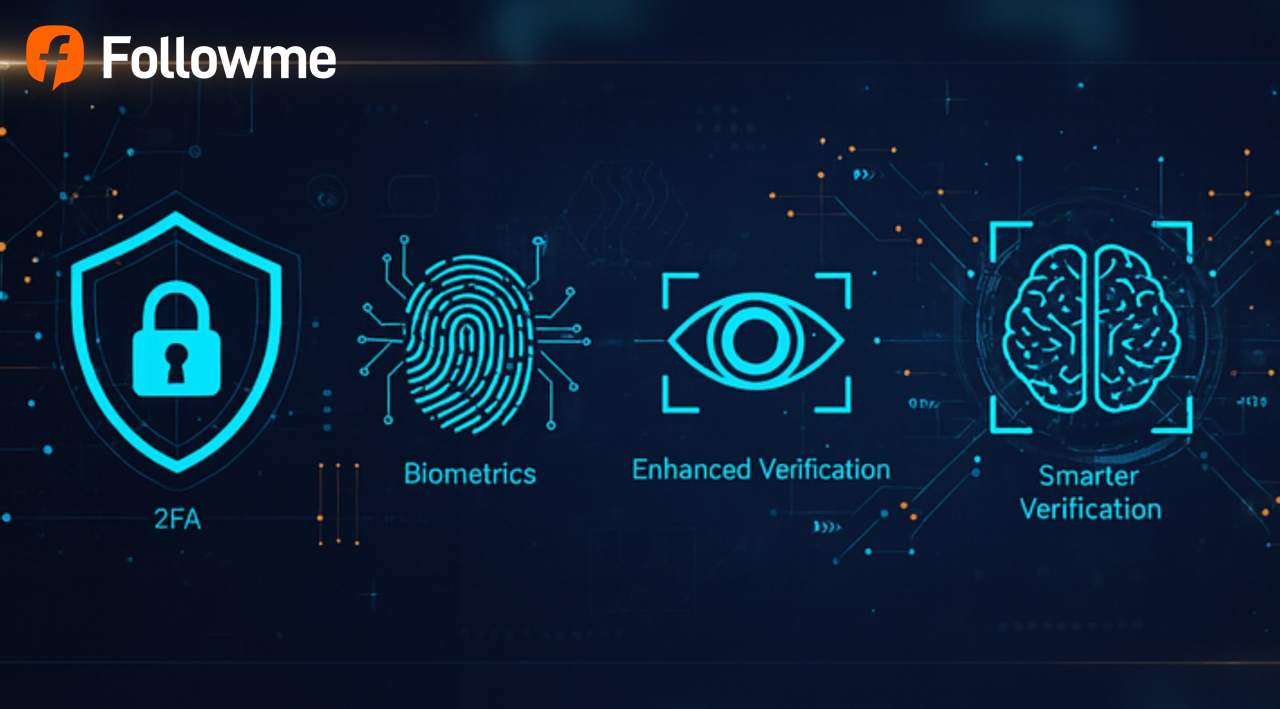
2FA, Biometrics, and Smarter Verification: Now the New Default
Many brokers used to treat two factor authentication (2FA) as optional. Not anymore.
Here’s what’s changing:
Two Factor Authentication (2FA) Everywhere
Traders now see mandatory:
- OTP codes
- App based authenticators
- Device binding
This stands in contrast to the old days of simple password logins, which have proven far too easy to compromise.
Upgraded Identity Verification (KYC 2.0)
Regulators across the UK, EU, Australia, and parts of Asia are pushing for:
- Real time ID matching
- Liveness checks to prevent deepfake KYC submissions
- Periodic identity refresh for high value accounts
This makes it far harder for bad actors to create fake accounts or hijack existing ones.
Copy Trading Security: The Quiet Reason Behind Stricter Protection
As Copy Trading and Signal Trading grow, so do the risks that come with it:
- Fake “expert traders” trying to redirect followers to unregulated brokers
- Accounts that get linked without proper owner verification
- Fraudsters exploiting API connections or trading password leaks
Brokers now deploy:
- Permission based trading links
- Encrypted connection tokens instead of passwords
- Monitoring systems that detect abnormal trading behavior
It’s a major step forward for social trading safety and transparency.
Why Regulators Are Pushing Security Standards Higher
2025 is shaping up to be a landmark year for regulatory enforcement. Global regulators are increasing pressure because:
- Cross border scams have risen
- Identity fraud in financial services is at record levels
- Retail trading volumes have grown, increasing systemic risk
As a result, brokers are being required to:
- Improve login security
- Document cybersecurity frameworks
- Prove they can safeguard client funds and data
- Conduct ongoing monitoring of suspicious transfers
Where security used to differentiate “premium brokers” from others, it’s now part of regulatory survival.
Market Pressure: Traders Expect Better Protection
There’s a behavioral shift too. Traders today check:
- Whether a broker supports hardware keys
- How withdrawal verification works
- Whether suspicious login alerts exist
- If funds are protected by segregated accounts
A broker with weak security gets exposed quickly not by regulators, but by the trading community. Security has officially become part of the value proposition, not an afterthought.
Why This Matters for Forex, Fintech, and Copy Traders
For traders, stricter security standards translate directly into:
- Fewer account breaches
- Lower risk of unauthorized trades
- Greater trust in brokerage platforms
- Reduced exposure to clone scams
- Safer Copy Trade connections
And for anyone active in Forex or multi asset platforms, stronger protection means fewer operational risks and more stable trading environments.
The Bottom Line: Strong Security Is Now a Competitive Edge
The move toward higher security standards in 2025 is not just about complying with rules. It’s about:
- Protecting traders
- Safeguarding platforms
- Building long term credibility
- Staying ahead of increasingly sophisticated threats
In a world where a single breach can take down a broker or wipe out a trader, security is no longer optional it’s the foundation of modern trading.
For traders, this shift is good news.
For brokers, it’s a new reality.
For the industry, it’s a step toward a safer, more transparent ecosystem.
Disclaimer: The views expressed are solely those of the author and do not represent the official position of Followme. Followme does not take responsibility for the accuracy, completeness, or reliability of the information provided and is not liable for any actions taken based on the content, unless explicitly stated in writing.

Leave Your Message Now