

· Views 489
Daily News
· Traders reduce bets on Fed rate cuts
· The probability of the Fed cutting interest rates in February is 12.9%
· Aussie dollar faces challenges as investors return to greenback
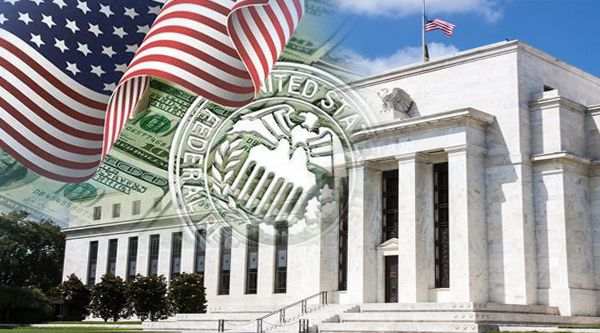
1. Traders reduce bets on Fed rate cuts
The U.S. dollar has been bumpy in the past, largely as the market continued to increase bets on easing policy from the Federal Reserve, but heading into 2024, traders are now rethinking the path of future monetary policy. The Fed has signaled they may have implemented their last rate hike of the cycle, but they are unwilling to stop fighting inflation too early.Traders have reduced their bets on the Federal Reserve's interest rate cuts, with cumulative rate cuts expected to be no more than 150 basis points this year. The U.S. dollar posted its largest one-day gain since March last year on the first trading day of 2024.
2. The probability of the Fed cutting interest rates in February is 12.9%
According to CME's "Fed Watch", the probability that the Federal Reserve will keep interest rates unchanged in the range of 5.25%-5.50% in February is 87.1%, and the probability of cutting interest rates by 25 basis points is 12.9%. The probability of keeping interest rates unchanged by March next year is 20.9%, the probability of a cumulative 25 basis point interest rate cut is 69.3%, and the probability of a cumulative 50 basis point interest rate cut is 9.8%.
3. The Aussie dollar faces challenges as investors return to the U.S. dollar
The Australian dollar (AUD) could end its three-day losing streak on Wednesday amid tepid gains from the U.S. dollar (USD). Signs of weakening global economic growth into late 2024 have put downward pressure on the commodity-linked Australian dollar (AUD), prompting investors to shift back to the greenback. However, market participants are now re-evaluating their aggressive bets that the Fed is about to cut interest rates.
· Traders reduce bets on Fed rate cuts
· The probability of the Fed cutting interest rates in February is 12.9%
· Aussie dollar faces challenges as investors return to greenback
1. Traders reduce bets on Fed rate cuts
The U.S. dollar has been bumpy in the past, largely as the market continued to increase bets on easing policy from the Federal Reserve, but heading into 2024, traders are now rethinking the path of future monetary policy. The Fed has signaled they may have implemented their last rate hike of the cycle, but they are unwilling to stop fighting inflation too early.Traders have reduced their bets on the Federal Reserve's interest rate cuts, with cumulative rate cuts expected to be no more than 150 basis points this year. The U.S. dollar posted its largest one-day gain since March last year on the first trading day of 2024.
2. The probability of the Fed cutting interest rates in February is 12.9%
According to CME's "Fed Watch", the probability that the Federal Reserve will keep interest rates unchanged in the range of 5.25%-5.50% in February is 87.1%, and the probability of cutting interest rates by 25 basis points is 12.9%. The probability of keeping interest rates unchanged by March next year is 20.9%, the probability of a cumulative 25 basis point interest rate cut is 69.3%, and the probability of a cumulative 50 basis point interest rate cut is 9.8%.
3. The Aussie dollar faces challenges as investors return to the U.S. dollar
The Australian dollar (AUD) could end its three-day losing streak on Wednesday amid tepid gains from the U.S. dollar (USD). Signs of weakening global economic growth into late 2024 have put downward pressure on the commodity-linked Australian dollar (AUD), prompting investors to shift back to the greenback. However, market participants are now re-evaluating their aggressive bets that the Fed is about to cut interest rates.
Disclaimer: The views expressed are solely those of the author and do not represent the official position of Followme. Followme does not take responsibility for the accuracy, completeness, or reliability of the information provided and is not liable for any actions taken based on the content, unless explicitly stated in writing.
Like this article? Show your appreciation by sending a tip to the author.

Leave Your Message Now