

As we might know, most of the time, the market fluctuates whereas only a small part of time there is a market trend. We also know that during a trend, one can easily earn big money, but a trend rarely occurs, we need to wait for a long time. It is also known to us all that in the market fluctuations, if you still operate according to the trend trading mindset, it is easy to cost you losses and the fluctuation can last for a very long time.
Therefore, many people came to the idea that “during fluctuations, we can hunt for the bottom and sell for the high, and during a trend market, we just follow the trend”. This way, we can make money both during fluctuations and trends and thus we are making money most of the time.
This idea might seem perfectly good and scientific. It is true that during a fluctuation you should buy at the bottom and sell high, and during a trend you should follow it to operate. Buy at the bottom and sell high during fluctuations is very good operation, true, and if this is your trading ideology, then do it in fluctuations, no problem.

But the thing is, can you tell me whether the next step of the market is a fluctuation or a trend? In reality, by the time you find out it’s a fluctuation, a trend is almost around the corner and you are already in the later part of a fluctuation. And when you realize it is a clear trend, the market is about to fluctuate soon. As a result, you might fish the bottom when you are sure the market is fluctuating, which will end up in a market trend coming very soon, costing you great loss. And when you identify a market trend and to do trend trading, you might end up frequently stop loss.
Also, these two trading ideologies are totally opposite which may make you hard to switch very soon. In reality, if you want to catch them both, there can be some problems in practice.
Also, trading for the bottom focus on the small picture and trend following focus on the big one. To switch between the two is hard and cannot be done in a snap. It’s like you are used to operate for the peanuts, suddenly you are asked to aim for a watermelon, your mind would find it hard to immediately convert. Also, because in market fluctuations, each order may only bring you back peanuts, when you are used to it, you will be too concerned with your cost when a trend appears. Because during trends, normally a daily rise or daily drop is bigger than usual, bigger than all the money you make during fluctuations.
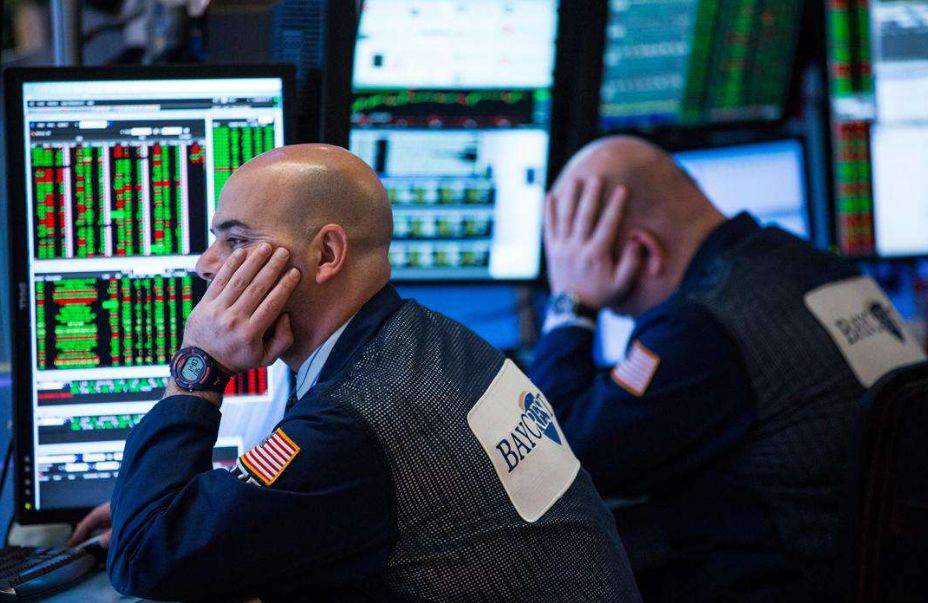
You would always think about the case that “what if there are adjustments or bounce backs”, and you are too afraid of these risks and your several peanuts hardly made in fluctuations to see the big profits coming after the trends. Therefore, all you wish is that the market can bounce back or adjust, so you can reap these peanuts. But when the trend appears and results in a bigger daily increase or decrease, or a consecutive increase or decrease for days, you will be constantly regretful for the several points of interest you missed and hope that the market can have another bounce up and adjustment for you to reap some more peanuts. This way, you never see the hundreds of points of interests in the future and you are always too afraid to follow, and you would easily fail to operate trend trading and miss the trend.
I believe you must have some experiences of the cases mentioned above during your own trading. Therefore, I would still suggest you stick to one strategy, in this way, you can do it well. Because you only have one brain, if you are to hastily switch on and off between operations between fluctuations and trends, it would be too big a burden for the brain to realize. Therefore, the only result for you to desire capturing both fluctuation and trend is that you miss both and none is profitable.
Disclaimer: The views expressed are solely those of the author and do not represent the official position of Followme. Followme does not take responsibility for the accuracy, completeness, or reliability of the information provided and is not liable for any actions taken based on the content, unless explicitly stated in writing.

Leave Your Message Now