

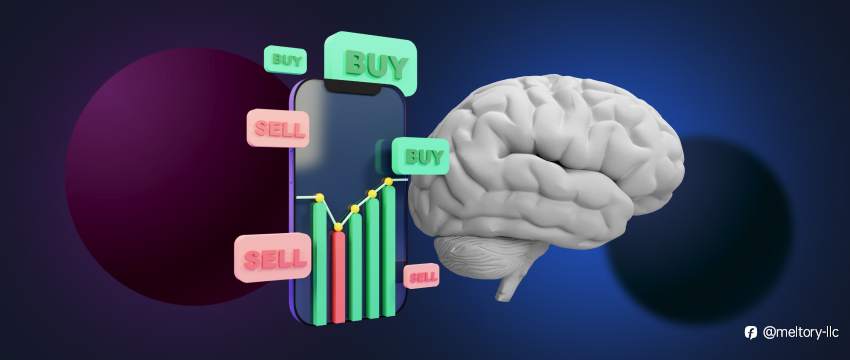
Trading on the Forex market isn’t just about mastering technical analysis or understanding economic indicators. Success in trading largely depends on your psychology. Emotions like fear, greed, and impatience can significantly influence your trading decisions, and ignoring these factors often leads to losses.
1. Fear of Losses
Fear is one of the most common emotions traders face, especially after experiencing losses. This fear can paralyze decision-making, causing traders to hesitate or close positions too early, missing out on potential profits. Overcoming fear requires a well-defined trading plan and the discipline to stick to it, even in volatile markets.
2. Greed: The Desire for More
Greed can drive traders to hold onto winning trades for too long, hoping for even bigger profits, only to watch the market reverse. Similarly, greed may lead traders to over-leverage, increasing their risk of significant losses. It’s crucial to set realistic profit targets and exit strategies to avoid being overwhelmed by greed.
3. Impatience: The Silent Profit Killer
Forex trading requires patience, especially when markets are slow or not moving in the expected direction. Impatient traders may rush into trades without proper analysis or exit trades prematurely, cutting short potential gains. Patience allows traders to wait for optimal setups and stick to their strategy.
4. Revenge Trading
After a loss, some traders enter “revenge mode,” trying to recover losses quickly by taking impulsive or risky trades. This emotional reaction can lead to even greater losses. The key to avoiding revenge trading is to accept that losses are part of the game and maintain a disciplined, long-term approach.
5. Overconfidence After a Win
A series of winning trades can make traders overconfident, leading to complacency or increased risk-taking. Overconfidence can result in ignoring risk management strategies or making rash decisions. Stay grounded, and always keep your trading plan at the forefront.
6. Managing Emotions with a Solid Plan
The best way to manage emotions in Forex trading is to have a clear trading plan. This plan should include risk management strategies, such as setting stop-losses, and clearly defined entry and exit points. By sticking to a plan, you can make more objective decisions and reduce the emotional influence on your trades.
Conclusion
Mastering the psychology of trading is just as important as mastering market analysis. Emotions can cloud judgment and lead to poor decision-making, so developing emotional discipline is key to long-term success on the Forex market. Stick to your plan, manage your risks, and keep emotions in check to maximize your potential for profit.
Happy and disciplined trading!
Disclaimer: The views expressed are solely those of the author and do not represent the official position of Followme. Followme does not take responsibility for the accuracy, completeness, or reliability of the information provided and is not liable for any actions taken based on the content, unless explicitly stated in writing.

Leave Your Message Now